
Emerging trends shaping the future of casino design
Integration of Technology in Casino Spaces
The future of casino design is increasingly intertwined with advancements in technology. With the rise of virtual reality (VR) and augmented reality (AR), casinos are exploring how these tools can enhance the gaming experience. For instance, players can visit https://ringospin.co/en-ca/ to enjoy immersive environments that simulate the excitement of a real-life casino, right from their living rooms. This integration not only attracts younger audiences but also provides unique experiences that traditional gaming cannot match.
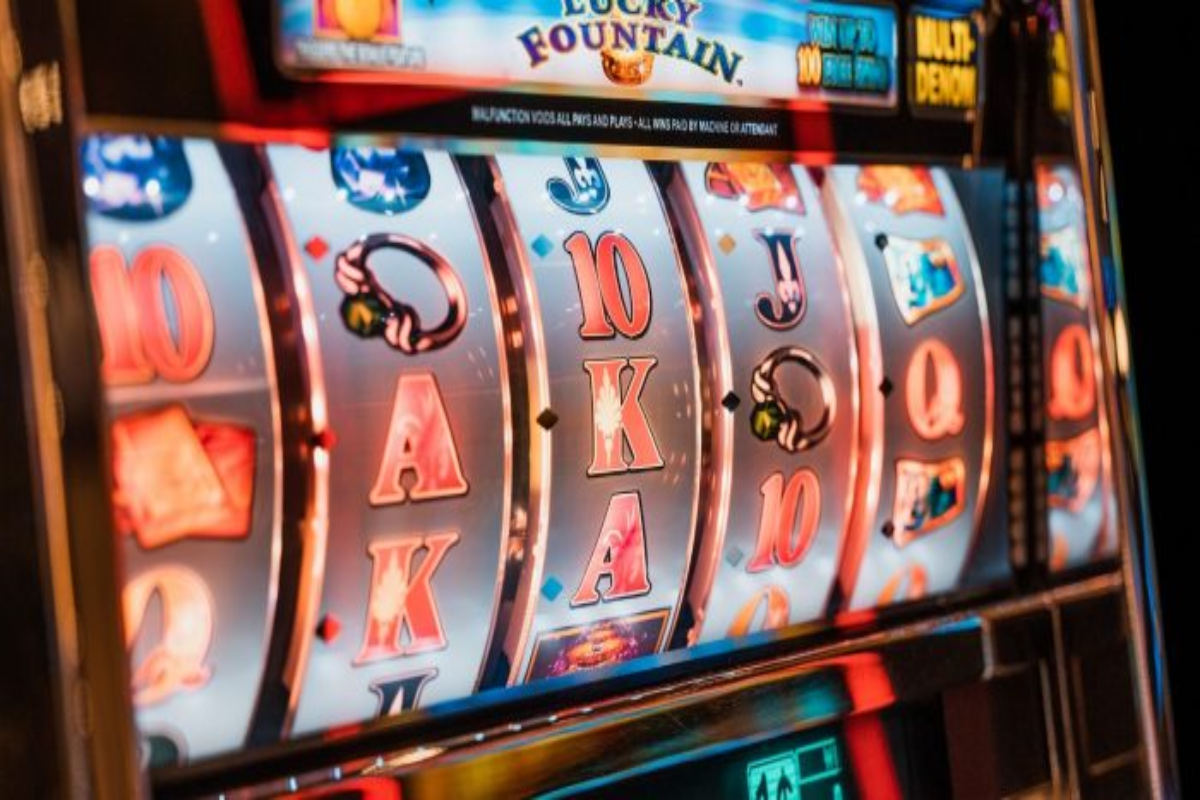
Moreover, the implementation of sophisticated data analytics is changing how casinos operate. By analyzing player behavior and preferences, operators can customize experiences and optimize layouts. For instance, if data shows that certain games draw more crowds, casinos can reposition these games to maximize traffic and player engagement. This targeted approach to design is set to revolutionize how gambling spaces are structured and navigated.
As casinos look to embrace technology further, mobile gaming apps are becoming increasingly significant. These apps allow players to gamble on the go, bringing the casino experience into their daily lives. By ensuring seamless connectivity and user-friendly interfaces, casinos can attract and retain players, expanding their reach beyond physical locations. This evolution highlights the importance of a design that accommodates both online and offline gaming experiences.
Sustainability and Eco-Friendly Designs
Another emerging trend in casino design is a strong commitment to sustainability. As global awareness about environmental issues grows, many casinos are incorporating eco-friendly features into their architecture and operations. From energy-efficient lighting to water conservation systems, these designs aim to minimize the environmental footprint while still providing a luxurious experience for guests. Incorporating green spaces and natural lighting can enhance the aesthetic and reduce energy costs in the long term.
Additionally, the shift towards sustainability is influencing the materials used in construction and interiors. Casinos are now opting for recycled and sustainable materials that not only reduce waste but also promote a healthier environment. For instance, using bamboo flooring or reclaimed wood can add a unique touch to the aesthetic while contributing to eco-friendly initiatives. This approach appeals to environmentally conscious customers, enhancing the overall appeal of the establishment.
Furthermore, sustainable practices extend beyond design to operations, with casinos adopting strategies for waste reduction and resource management. Programs for recycling and composting are being implemented, aligning with a broader movement towards corporate responsibility. This commitment to sustainability can enhance a casino’s brand image, attracting patrons who value eco-friendly practices and reinforcing the industry’s shift towards a more responsible future.
Redefining Space with Multi-Functional Areas
The traditional casino layout is evolving into a more versatile space that caters to diverse audiences. Modern casinos are rethinking their designs to include multi-functional areas that serve various purposes beyond gambling. These spaces can host live entertainment, dining experiences, and social gatherings, creating a holistic experience for visitors. By offering a range of activities, casinos can draw in a wider demographic, appealing not only to gamblers but also to families and casual visitors.
Moreover, these multi-purpose areas foster community interaction and engagement. By designing spaces that encourage socialization, casinos can create an inviting atmosphere that keeps patrons on-site longer. For instance, incorporating lounges or bars with comfortable seating can encourage guests to relax and socialize, enhancing their overall experience. This trend towards creating communal spaces marks a significant departure from the isolating design of traditional gambling halls.
In addition, the emphasis on aesthetics in multi-functional areas is paramount. Casinos are incorporating elements like art installations, vibrant décor, and themed environments to provide a memorable backdrop for various events. This focus on design not only elevates the visual appeal of the casino but also enhances the customer experience, ensuring that guests leave with lasting impressions and a desire to return.
Emphasis on Personalized Experiences
As competition in the casino industry intensifies, providing personalized experiences has become crucial. Modern casino designs are focused on creating environments where players feel recognized and valued. This can be achieved through loyalty programs that tailor rewards based on individual preferences and gaming habits. By designing spaces that cater to specific customer segments, casinos can enhance satisfaction and loyalty among patrons.
Additionally, technology plays a significant role in facilitating personalization. Casinos are leveraging mobile apps and digital interfaces to allow customers to customize their experiences. From choosing specific gaming machines to selecting dining options, these personalized features enhance engagement and create a more enjoyable atmosphere. Such tailored experiences promote a sense of belonging and connection to the casino brand.
Furthermore, the design of gaming areas is being reimagined to accommodate diverse player preferences. This includes the development of VIP sections, private gaming rooms, and themed gaming areas that cater to specific interests. By prioritizing personalization in design, casinos not only attract a broader audience but also foster a more engaging and memorable gaming experience for all visitors.

Focus on Online and Hybrid Experiences
The rise of online gaming is reshaping how casinos approach design, creating a seamless blend between physical and virtual experiences. Many casinos are now incorporating hybrid elements that allow players to transition effortlessly between online and land-based gaming. This approach reflects the growing demand for convenience, enabling customers to enjoy their favorite games regardless of location. In this context, physical casinos are rethinking their layouts to enhance connectivity with online platforms.
Moreover, the integration of live dealer games is a trend that reflects this hybridization. By designing dedicated areas that broadcast live gaming experiences online, casinos can engage both in-person and remote players. This innovative approach not only broadens the customer base but also creates a sense of community among players, bridging the gap between physical and online interactions.
Finally, the focus on online experiences is pushing casinos to invest in advanced technology that enhances user experience. High-speed internet, state-of-the-art gaming systems, and interactive displays are becoming vital components of casino design. By prioritizing these elements, casinos can create an engaging environment that caters to both traditional gamers and the growing segment of online players.